0086-18057388688


Wool Lyocell Jersey: A Comprehensive Guide to a Modern Performance Fabric
In the evolving world of textiles, few materials reflect the balance between performance, sustainability, and comfort as well as Wool Lyocell Jersey. This fabric blends natural wool fibers with lyocell—a regenerated cellulose fiber—and is knitted into a jersey structure, resulting in a material that is soft, breathable, versatile, and increasingly popular in fashion and activewear. Wool Lyocell Jersey represents a modern response to consumer demand for fabrics that feel good on the skin, perform across climates, and minimize environmental impact.
What Is Wool Lyocell Jersey?
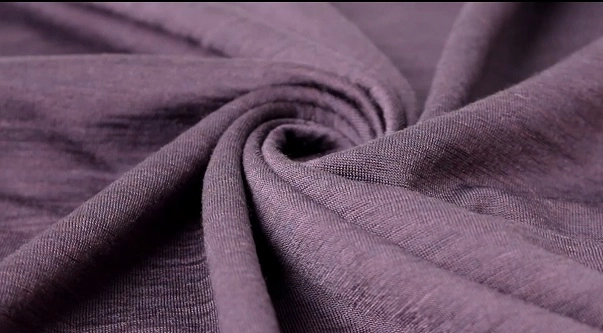
Wool Lyocell Jersey is a knitted fabric made from a blend of wool fibers and lyocell fibers, constructed using a jersey knit.
Each component contributes distinct characteristics:
- Wool: A natural protein fiber known for thermal regulation, moisture management, odor resistance, and resilience.
- Lyocell: A semi-synthetic fiber derived from cellulose (usually eucalyptus wood), valued for its softness, drape, breathability, and eco-friendly production.
- Jersey knit: A single-knit construction that creates a smooth face, slightly textured back, and natural stretch.
The result is a fabric that combines the functional benefits of wool with the smooth hand feel and fluid drape of lyocell, all within a flexible, comfortable knit structure.
Fiber Composition and Blending Ratios
Wool Lyocell Jersey typically uses blends ranging from:
- 30–50% wool / 50–70% lyocell for lightweight, drapey fabrics
- 50–70% wool / 30–50% lyocell for more structured, thermally efficient textiles
The exact ratio influences warmth, softness, durability, and price. Fine merino wool is most commonly used, as its low micron count reduces itchiness and enhances next-to-skin comfort.
Manufacturing Process
1. Fiber Production
- Wool is shorn, cleaned, carded, and combed into yarn.
- Lyocell is produced via a closed-loop solvent spinning process, where cellulose is dissolved and extruded into fibers with minimal chemical waste.
2. Yarn Spinning
The fibers are blended at the yarn stage or combined as separate yarns, depending on the desired texture and performance.
3. Knitting
The yarns are knitted into a jersey structure, producing a fabric that is naturally elastic, lightweight, and breathable.
4. Finishing
Finishing treatments may include enzyme washes, anti-pilling treatments, or gentle heat-setting to improve dimensional stability.
Key Properties of Wool Lyocell Jersey
1. Comfort and Softness
Lyocell contributes a silky, smooth surface, while fine wool adds gentle resilience. Together, they create a fabric suitable for sensitive skin and all-day wear.
2. Breathability and Moisture Management
- Wool can absorb up to 30% of its weight in moisture without feeling wet.
- Lyocell wicks moisture efficiently and dries quickly.
This synergy keeps the wearer dry and comfortable across varying temperatures.
3. Thermal Regulation
Wool’s natural crimp traps air for insulation, while lyocell enhances temperature adaptability, making the fabric suitable for both warm and cool conditions.
4. Stretch and Recovery
The jersey knit provides natural stretch, while wool improves shape retention compared to pure lyocell jerseys.
5. Odor Resistance
Wool’s antimicrobial properties inhibit odor-causing bacteria, making the fabric ideal for active and travel wear.
6. Drape and Aesthetics
Lyocell lends excellent drape and a refined, matte-to-slightly-lustrous appearance, elevating the fabric’s visual appeal.
Sustainability and Environmental Impact
Wool Lyocell Jersey is often positioned as a sustainable textile choice, especially when responsibly sourced:
- Wool is renewable, biodegradable, and long-lasting when ethically produced.
- Lyocell is made from sustainably managed forests and produced in a closed-loop system that recycles water and solvents.
- The blend reduces reliance on petroleum-based synthetic fibers.
However, sustainability depends on factors such as animal welfare standards, chemical treatments, energy use, and fabric longevity.
Advantages of Wool Lyocell Jersey
- Excellent next-to-skin comfort
- Natural temperature regulation
- Reduced odor retention
- Breathable and moisture-managing
- Environmentally conscious fiber blend
- Suitable for year-round wear
- Elegant drape with casual comfort
Limitations and Considerations
- Cost: More expensive than conventional cotton or polyester jerseys
- Care requirements: Often requires gentle washing to maintain shape and longevity
- Durability: While resilient, it may be less abrasion-resistant than synthetic blends
- Pilling risk: Can occur over time, depending on yarn quality and finishing
Common Applications
Wool Lyocell Jersey is widely used across multiple categories:
- Everyday apparel: T-shirts, long-sleeve tops, dresses
- Activewear: Base layers, yoga wear, lightweight performance garments
- Travel clothing: Odor-resistant, wrinkle-reducing pieces
- Loungewear: Soft, breathable, thermally balanced garments
- Luxury casualwear: Elevated basics with refined drape
Care and Maintenance
To extend the life of Wool Lyocell Jersey:
- Wash on a gentle or wool cycle with mild detergent
- Avoid high heat and tumble drying
- Lay flat or hang to dry
- Store folded to prevent stretching
Proper care preserves softness, shape, and performance over time.
Wool Lyocell Jersey stands at the intersection of tradition and innovation. By blending the time-tested performance of wool with the modern sustainability and softness of lyocell, and knitting it into a flexible jersey structure, manufacturers have created a fabric that meets contemporary demands for comfort, functionality, and environmental responsibility.